Why is choosing a site for a house so important?
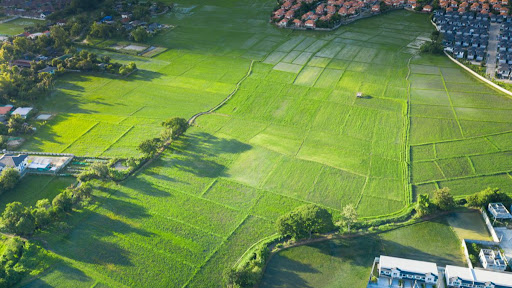
As a rule, any home is built for long-term occupancy, so choosing a site for construction requires the utmost care. Safety, regional weather conditions, and neighboring properties are all taken into account.
Furthermore, it's important to consider the feasibility of future expansion. Choosing a site in the center of a populated area will not allow for this, so in such cases, it's better to choose a site on the outskirts of the populated area.
Pre-existing sewer, water, gas, and electricity lines will greatly facilitate the installation of these systems in the home. It's ideal if these lines are already on the site or at least included in the plans. Otherwise, you'll have to install the utilities yourself.
What kind of plot can be chosen for building a house?

Typically, the following types of land are classified in documents:
- Agricultural land – for farming;
- Water fund land – land near natural bodies of water;
- Nature conservation land – any construction is prohibited on these lands for environmental protection;
- Historical and cultural land;
- Industrial, energy, and defense lands.
Residential and public construction lands are designated for residential construction. Problems can arise if agricultural land is chosen for cottage development.
How to choose a building site: 7 aspects

What should you pay attention to first when choosing a building location?
- Plot size, shape, and orientation.
- In this case, the specific location of the house is taken into account. For example, if the south or east side is blocked by neighboring buildings, the plot will be in the shade most of the time.
- Land topography.
- The ideal option is a horizontal plot, without slopes or rocky terrain. This will prevent water from spreading and forming ditches, allowing the soil to be evenly saturated.
- Natural landscape of the area.
- If you have the opportunity to build a house near a forest, don't miss out. However, you shouldn't buy a plot next to a forest, as this can lead to an abundance of mosquitoes and excessive shade.
- Neighborhood.
- Neighbors are constant companions throughout your life. When choosing a plot, it's advisable to get to know them in advance and evaluate their style and lifestyle.
- Roads and infrastructure in the area.
- When a residential property is located far from the city, the quality of roads becomes extremely important. Poor road surfaces will hinder construction and, in the long run, become a real problem for daily commutes to work and school.
- Sewage
The most convenient option is to choose a site with existing sewerage systems. In this case, you only need to obtain a waste disposal permit. If there is no centralized sewer system, you will have to install your own drainage system.
Electrifying a house takes a lot of time, money, and effort in any scenario. If there is a substation nearby, you should determine the kilowatts available. Otherwise, it may be worth considering installing solar panels.
How to choose land for construction: soils on the site
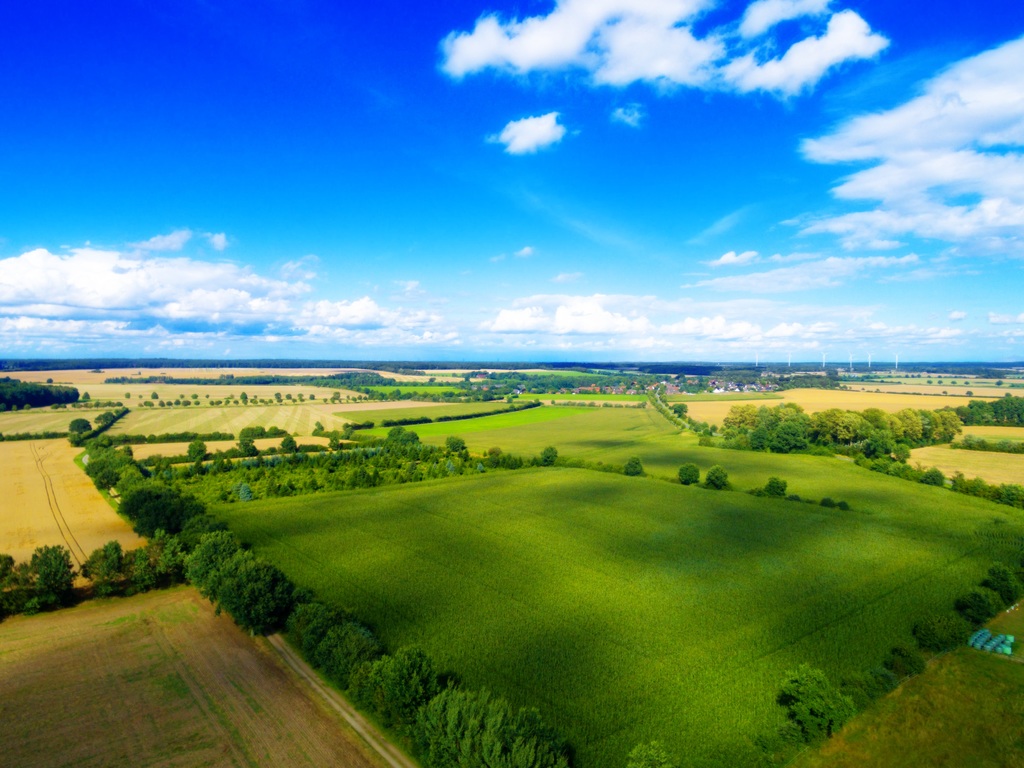
Another important consideration is the soil type within the geological study.
- Clay soils are dense and moist, and are highly saturated with water.
- Sandy soils provide water permeability but are less resistant to shear.
- Loam soils are considered a "golden mean" between the two.
- Peaty and organic soils are considered the least stable, as they are subject to severe deformation.