Machine or manual plastering: a comparison of methods for applying the solution
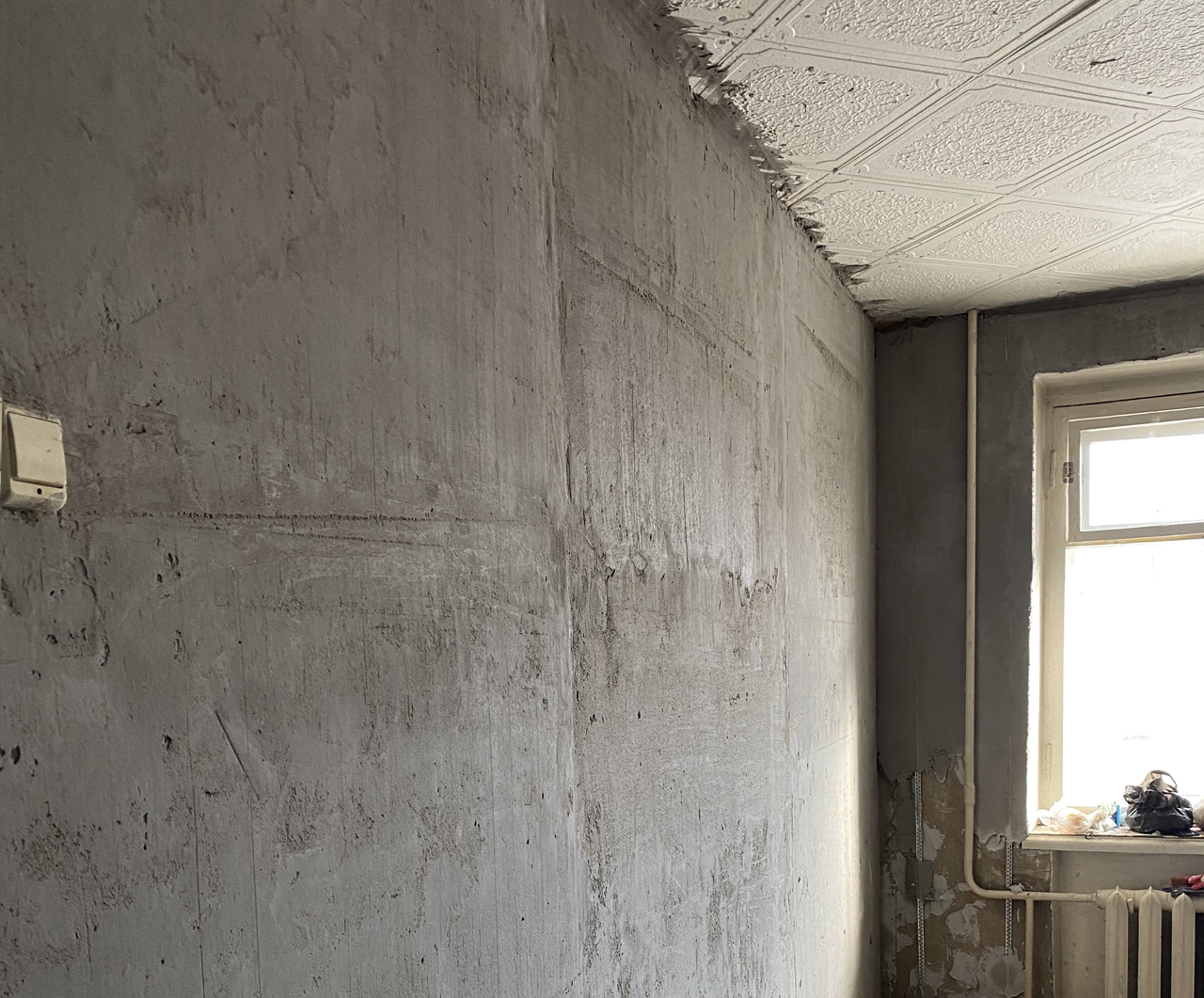
These days, almost all manual work is performed automatically. This also applies to plastering. While until recently, such work was primarily done manually, today, customers have the option of hiring a professional plastering machine.
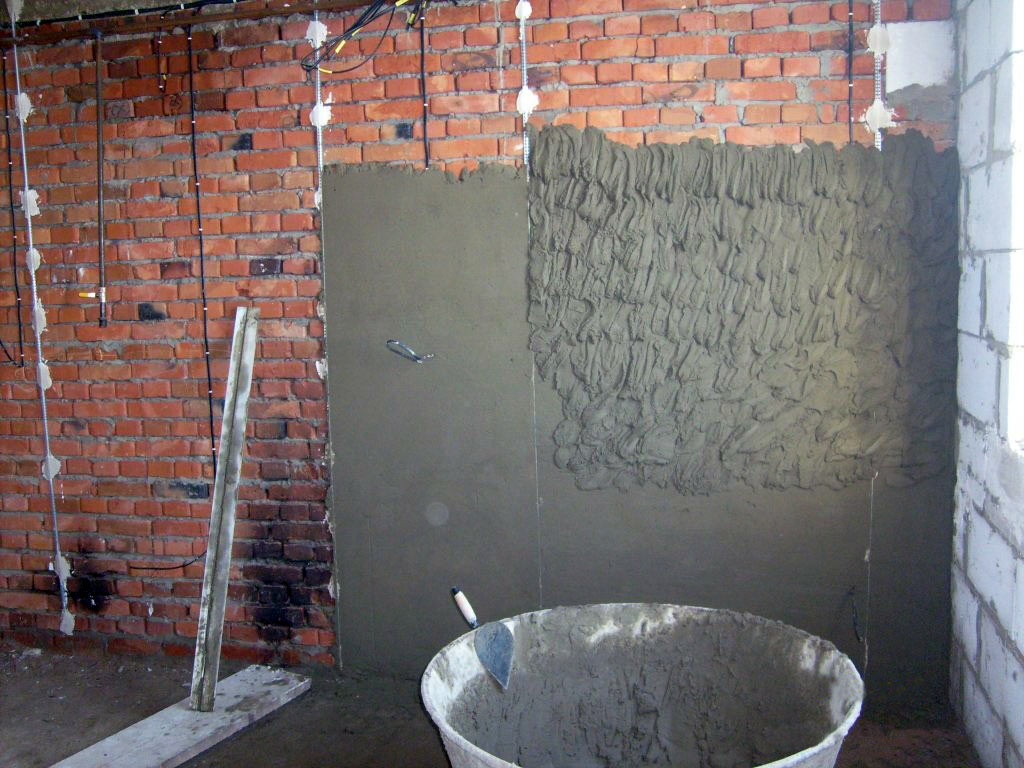
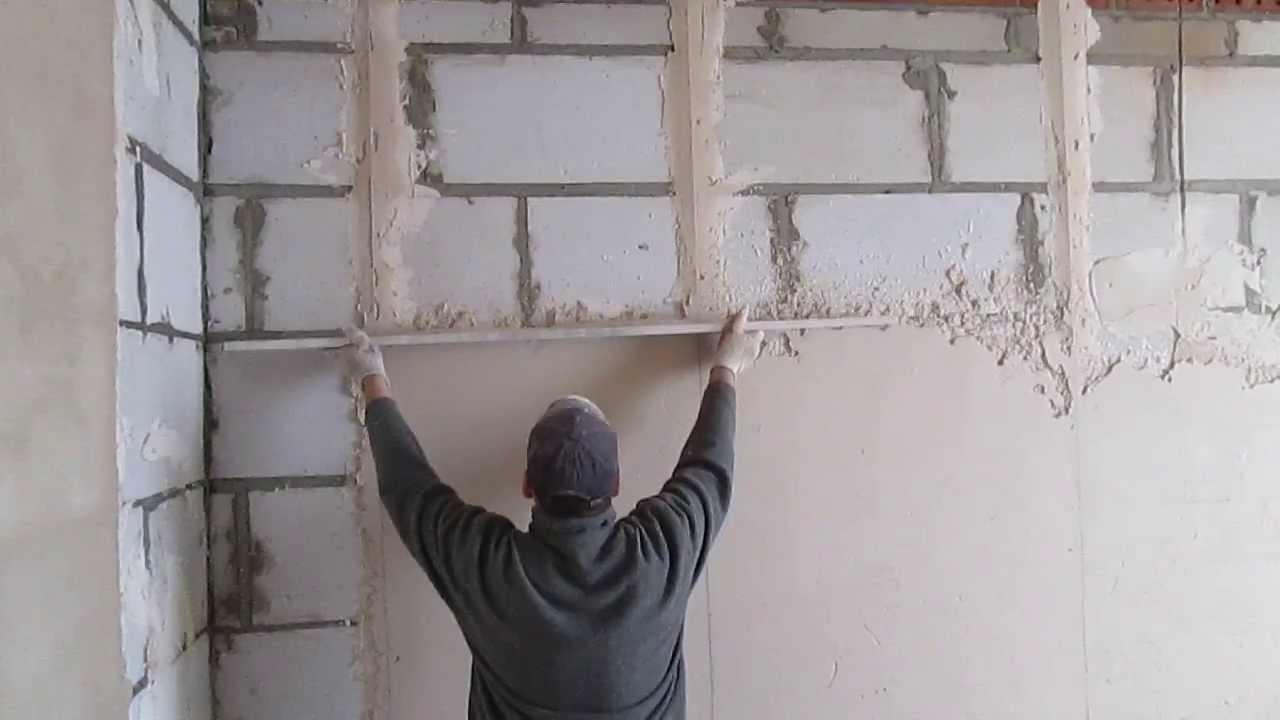
The fundamental difference between these two methods is the method of execution. Manual plastering is considered a traditional method, requiring the use of a wide trowel and a leveling pad. The human factor plays a significant role here.
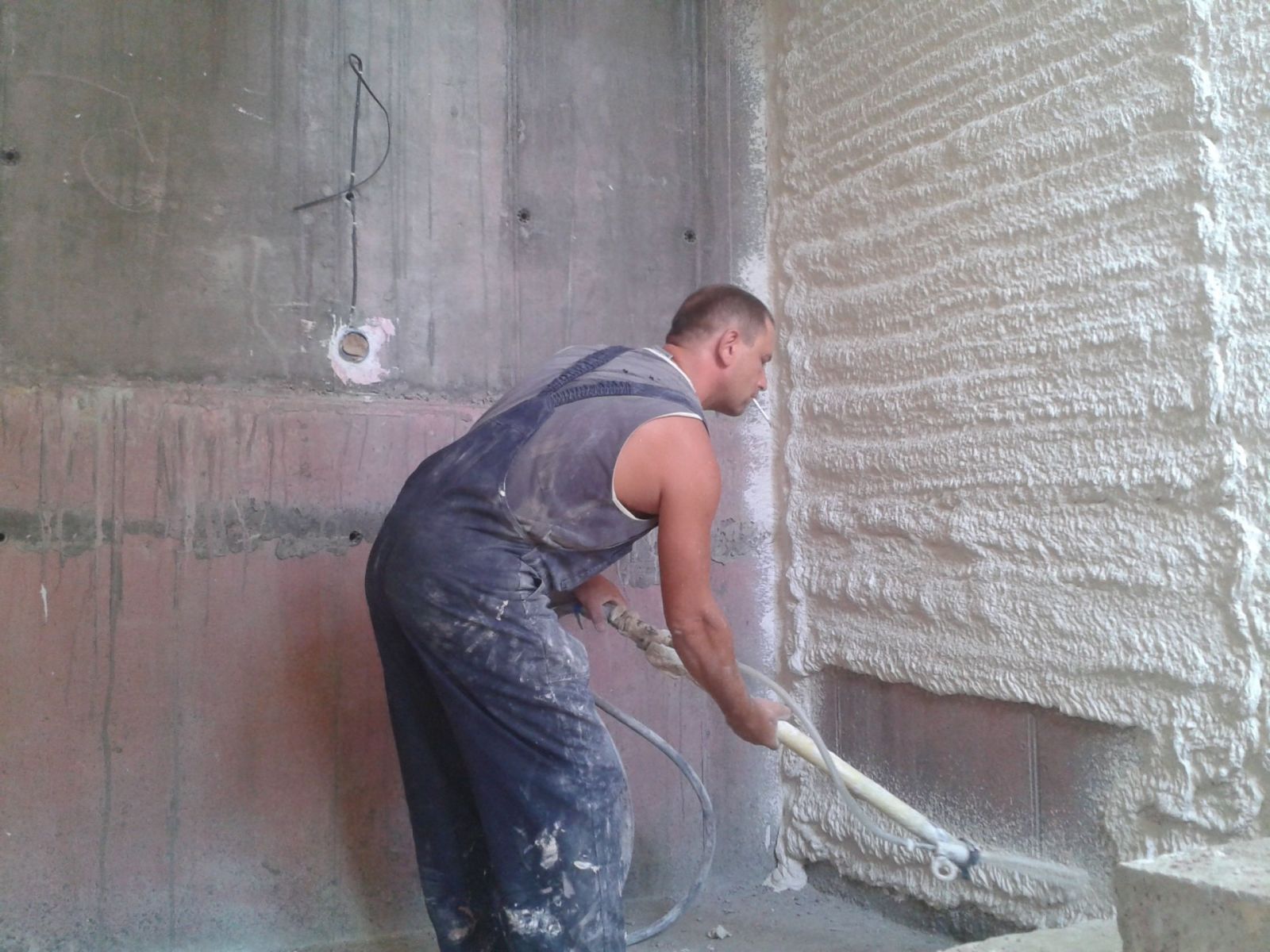
Machine plastering involves working with specialized equipment—a plastering station or machine. With this method, all processes are automated. To mix the mortar, dry components are poured into a hopper and water is added. The machine automatically prepares the mixture, after which it is delivered through a flexible hose under pressure and distributed over the surface using a plastering gun.
In both cases, evenness is determined using benchmarks.
What is the difference between machine plastering and manual plastering: advantages
To understand the differences between these methods, it's important to consider their advantages. Using machine plastering offers the following benefits:
- Effort savings and simplified construction work;
- Plastering speed – approximately 4-5 times faster than traditional plastering;
- Efficient material consumption, which ultimately directly impacts the cost of the work.
Hand plastering is a method that has been used in construction for many years. The advantages of this method include high precision and the ability to control the process, which is essential when performing complex projects.
The manual method allows for quick adaptation to the specific needs of the project. The contractor can easily change the composition of the mixture and select the application technique. This method is considered equipment-independent, as no special equipment is required to organize the process. Hand plastering is also convenient for decorative finishing. The quality of the final finish can be controlled by layer thickness, smoothness, evenness, and mortar shrinkage.
What is the difference between machine and hand plastering?
Comparing the characteristics of these two methods is crucial when choosing the appropriate option for a specific project. Each method has its own unique characteristics, advantages, and disadvantages. The basic criteria that determine the differences can be seen in the table:
| Characteristic |
Mechanized application |
Manual application of solution |
| Work productivity |
High |
Below |
| Execution speed |
Repair times are reduced by 4-5 times |
Depends on the skill of the master |
| Surface quality |
High |
High |
| Material consumption |
Noticeable savings in mixture |
More |
| Cost per m² |
Below |
Higher |
| Labor costs |
Even one person can handle the job |
A team of craftsmen is needed |
Which is better - machine or manual plastering for construction?
The specifics of choosing a plastering method depend on several factors. Ultimately, each user chooses the most appropriate option for their specific situation. For example, the optimal choice for an apartment or other small space is manual plastering rather than a bulky plastering machine. However, if larger-scale work is planned, a mechanized method is more appropriate. This ensures:
- high-quality and durable coating;
- perfect adhesion to the substrate;
- correct preparation of the mortar in the required proportions and consistency.
The key is to find a reliable and proven contractor in case the client is unable to handle the plastering process independently.