Reasons to organize store renovations without interrupting operations

In modern business, the speed of customer service, process stability, and the efficient use of retail space are keys to success. Renovations that require a store to cease operations can lead to significant losses due to logistical disruptions, declining sales, and interruptions to production or operational workflows. There is a simple solution to these challenges: carry out the renovations without closing the store—meaning there is no need to "evacuate" staff, inventory, or equipment. Failing to do so risks the following complications:
- any closure of the retail floor inevitably reduces foot traffic and profit;
- halting operations or clearing large areas disrupts supply chains;
- closing a retail space often necessitates relocating inventory or renting additional premises, which significantly increases costs;
- downtime or the suspension of even a single stage of the operation has a major impact on retail activity, reducing revenue and overall sales volume.
Therefore, when planning renovation work, the priority should be to minimize or completely eliminate downtime.
What a phased renovation of a store entails
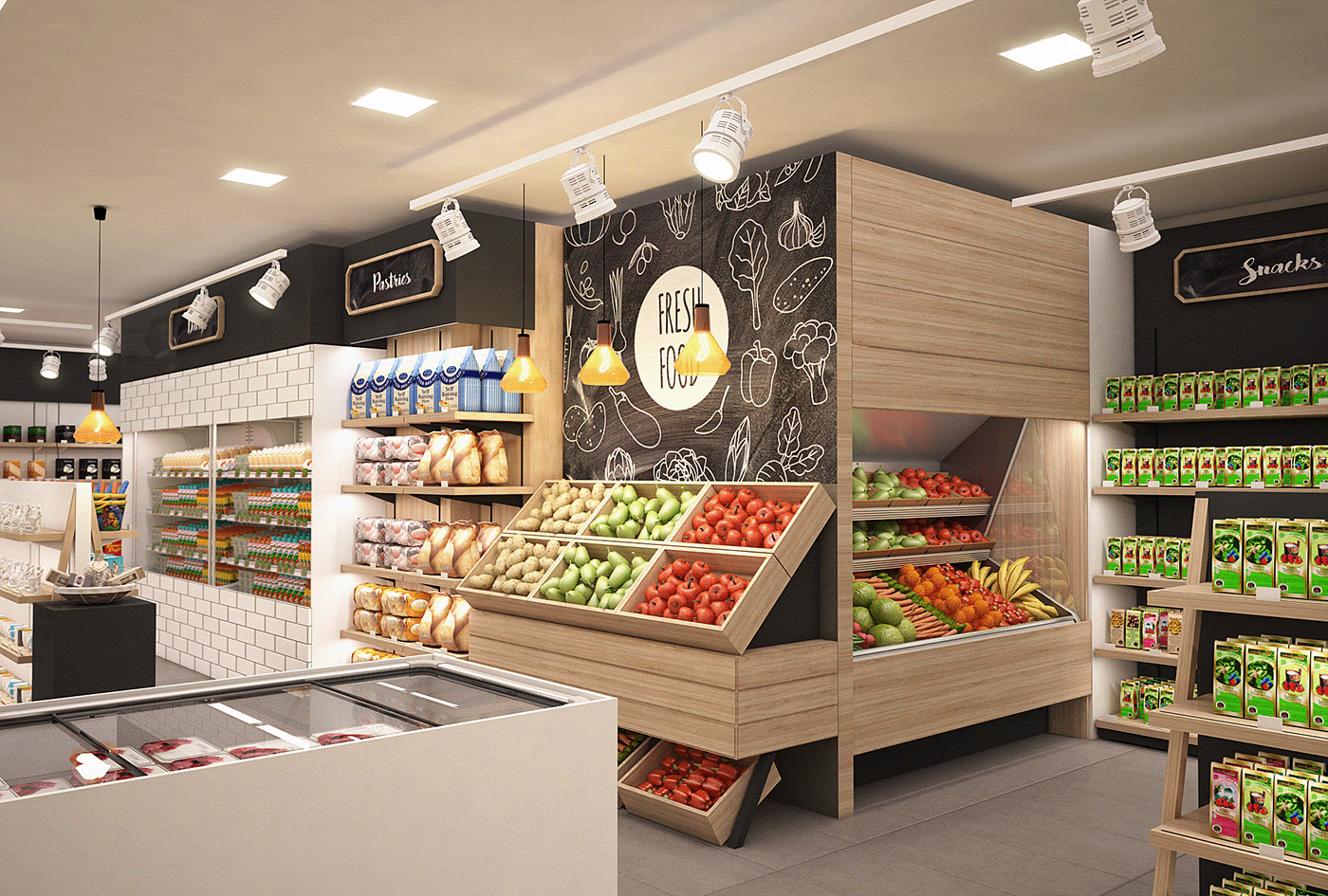
Renovating a store while keeping it operational requires a detailed plan and a phased execution of the work. Key considerations include clearly zoning the active retail space, scheduling work for nighttime hours, installing specialized equipment and protective barriers, and gradually relocating merchandise displays. The most effective approach involves dividing the sales floor into distinct sectors, allowing work to be carried out sequentially. The primary stages are as follows:
**Planning and Zoning the Space**
The store area should be divided into 2–4 independent sectors. A schedule must be established for noisy or "messy" tasks, which should be performed at night or during periods of low customer traffic. It is essential to coordinate a safety and evacuation plan for customers with the contractor in case of unforeseen emergencies.
**Installing Protective Barriers**
Materials such as plastic sheeting, drywall, or heavy-duty film can be used to create barriers. These partitions must be sealed effectively to separate the renovation zone from the active retail area. It is also important to install portable air filtration units or exhaust systems to prevent odors—such as those from paint—and dust from entering the shopping area.
**Renovating Walls, Floors, and Ceilings in Specific Sections**
In the first sector, all merchandise and display equipment are moved to adjacent areas. Subsequently, the designated space undergoes demolition and rough construction work, and utility systems (such as electrical or plumbing) are replaced. Once the interior finishes are installed, the equipment is returned to the area.
Transitioning to subsequent zones
The renovated section is opened to visitors. Retail outlets and merchandise: An essential and unavoidable aspect of this type of renovation is the need for night work. During these hours, tasks are performed that cannot be carried out on a section-by-section basis. These include replacing flooring at the store entrance, painting walls, installing signage, electrical work, and a deep cleaning of all premises. Finally, the building systems undergo testing, after which the facility is commissioned for operation.
Why you should entrust the renovation of a retail space to professionals
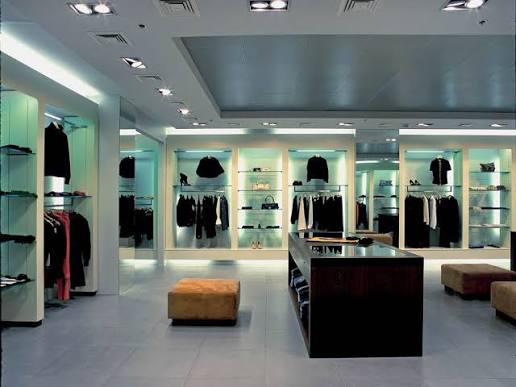
Services of this nature are offered by construction companies with extensive experience. By choosing RBK "ALBA," you can rely on the completion of tasks within the agreed-upon timeframes—a crucial factor for any business. Other advantages of working with these professionals include:
- a site visit by a specialist to take measurements;
- the option to order various types of renovation, ranging from partial or cosmetic updates to full-scale overhauls;
- preparation of a cost estimate and a fixed price, tailored to the client’s budget;
- consultations and support from a designer and technical experts;
- preparation of all necessary documentation;
- turnkey renovation services backed by a quality guarantee.