What a Foundation Means for a House
.jpg)
The foundation serves as the base of a structure, bearing the load from the walls, roof, and floor slabs. It is a structural element situated between the ground and the building itself. Its primary function is to protect the structure from moisture, frost, structural deformation, and soil movement.
Since this component of the house is situated underground, rectifying construction defects at a later stage is often extremely difficult—and, in some cases, virtually impossible. This is particularly true in instances involving compromised waterproofing or drainage systems, or errors in structural calculations. Consequently, the optimal selection of a foundation—from a structural engineering perspective—is considered one of the most critical aspects of the entire construction process.
Which Foundation Is Best for a House: What to Look For
.jpg)
Before determining the shape and type of the foundation, it is essential to take into account several other factors, namely:
- soil characteristics;
- the risk of frost heave;
- the type and dimensions of the building;
- the groundwater level.
In terms of soil types relevant to foundation construction, one can distinguish between sand, sandy loam, clay, loamy soil, as well as gravelly and rocky ground. Rocky ground is considered the most suitable option, as it is neither susceptible to frost heave nor prone to subsidence.
Gravelly soil contains gravel, which renders it resistant to erosion by water. Sandy soil is characterized by its tendency to settle; however, it does not retain moisture.
Specialists identify clay as the most problematic soil type for foundation construction. In winter, it is subject to shrinkage and frost heave, while in the spring, it can be eroded by water.
What are the different types of foundations?
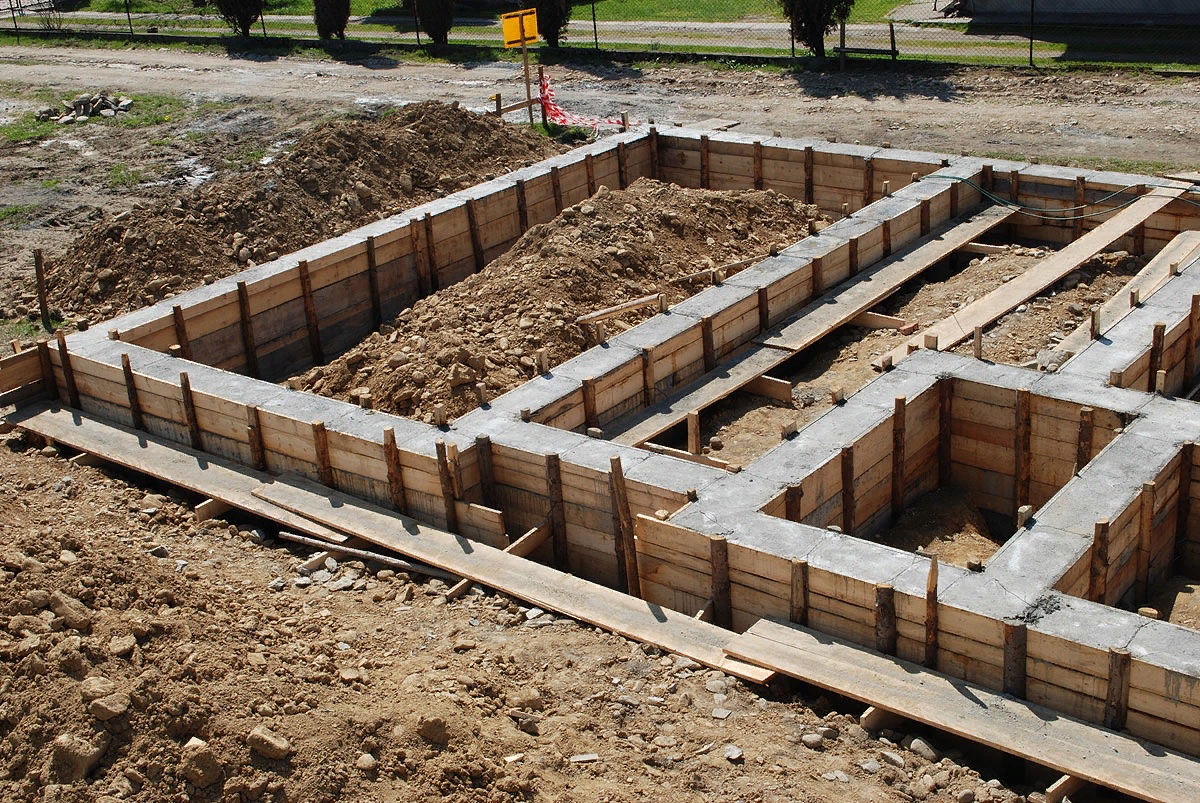
The classification of foundation structures encompasses the following varieties:
- Strip Foundation. This consists of a continuous concrete strip formed beneath load-bearing walls. During construction, it is used in conjunction with ceramic blocks, aerated concrete blocks, brick, concrete, and other materials of medium to heavy weight.
- Slab Foundation. This technology involves a monolithic reinforced concrete slab installed beneath the entire footprint of the structure. This design allows for the uniform distribution of structural loads, making it suitable for use on challenging soil conditions.
- Pier Foundation. This type of foundation base consists of individual supports (piers) installed at key load-bearing points. This format is best suited for lightweight structures situated on stable, uncomplicated soil.
Pile Foundation. This is another variety of foundation structure, recommended for sites featuring soil with a wet or unstable upper layer. Piles are available in various forms, allowing for selection based on the specific geological characteristics of the site.
Which Foundation to Choose: Expert Advice
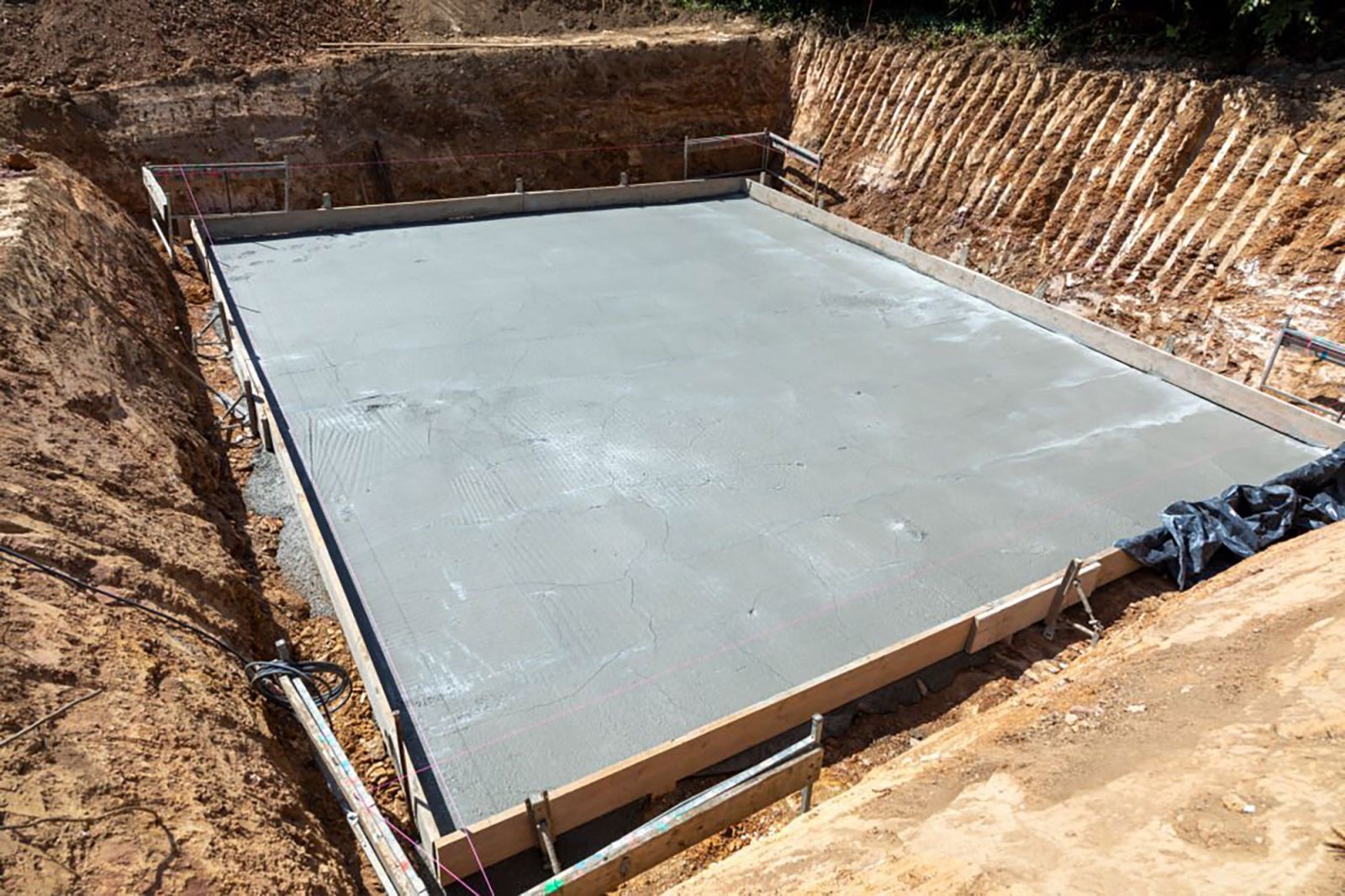
For private construction projects, either a slab or a strip foundation is typically employed. The latter format has proven itself highly effective in the construction of traditional-style homes. It is constructed in the form of subterranean "walls" and is suitable for supporting both heavy and light structures built from a variety of materials.
A slab foundation ensures structural stability and can serve as the base for the ground-floor flooring system. This type is typically selected for homes built of brick, aerated concrete, or stone—materials that demand a robust and sturdy support system. Furthermore, this design helps to mitigate the effects of soil movement, both vertically and horizontally.
As for the pier foundation, it is generally recommended for use with frame, timber, or panelized buildings. It is also worth noting the relatively lower construction cost associated with this type of foundation when compared to the strip foundation format.
Pile foundations are typically utilized in the construction of large-scale, heavy-duty buildings. However, they are also a viable option for country homes in instances where no other type of foundation is suitable for the specific structure.