Armstrong ceiling or drywall: features of materials
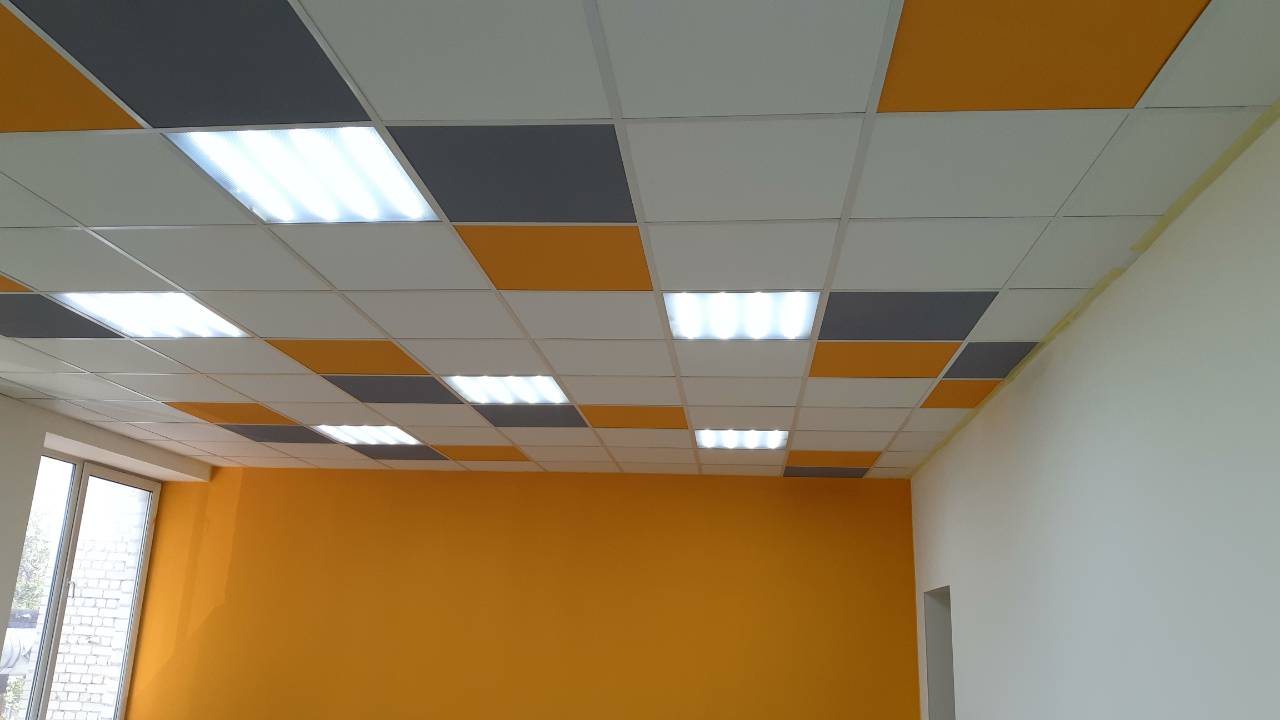
Armstrong suspended ceiling is a cellular type structure, which is assembled from transverse and non-bearing profiles and mineral plates. This format is well suited for finishing rooms of any purpose. Most often, such structures are installed in shopping centers, office premises, cinemas, educational and other institutions.
Structurally, they consist of two parts. The first is a metal frame in the form of a system of profiles that are fixed to a solid base - for example, to floor slabs. The second part is decorative. It consists of square or rectangular panels made of mineral fiber or stone wool, metal or mirror sheets. The guides are attached according to a certain scheme.
Drywall is a lightweight panel that consists of two layers of cardboard on both sides and a gypsum core. This material is manufactured with different thicknesses and surface types. It can be easily cut, which allows you to create structures of any format. Drywall is used both in residential and other areas.
What is the difference between an Armstrong ceiling and a plasterboard ceiling?
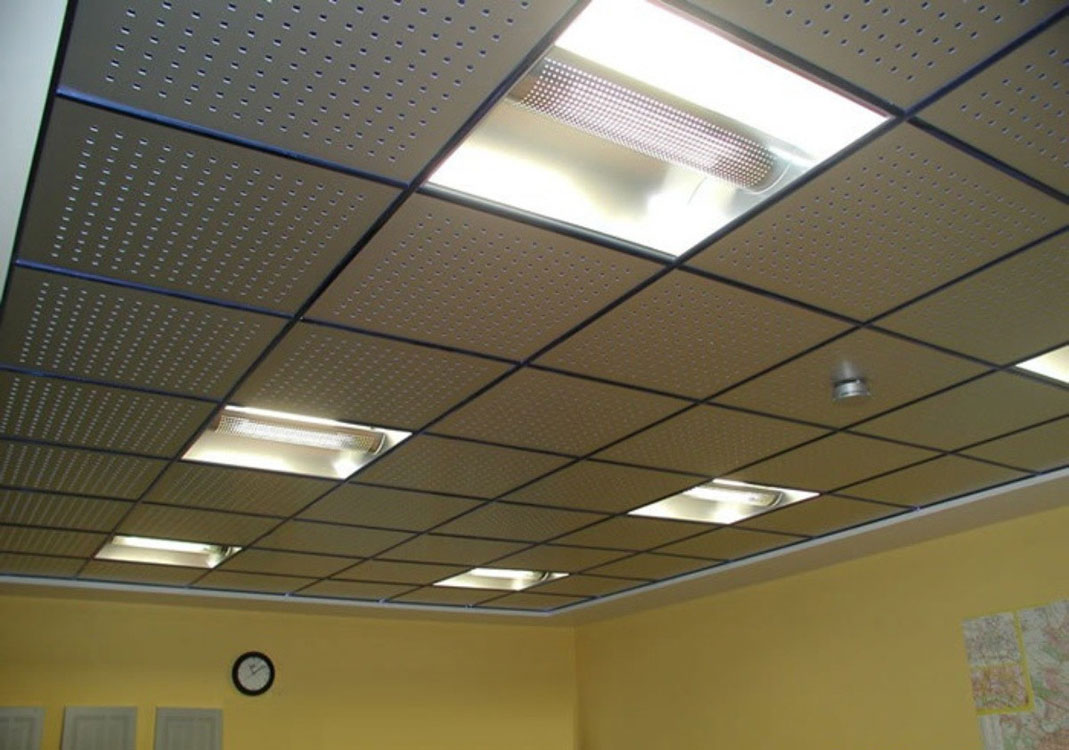
A plasterboard ceiling is a smooth monolithic structure that requires puttying and painting. Armstrong is a modular frame that involves laying plates, which provides easy access to communications. Another difference between these materials is as follows:
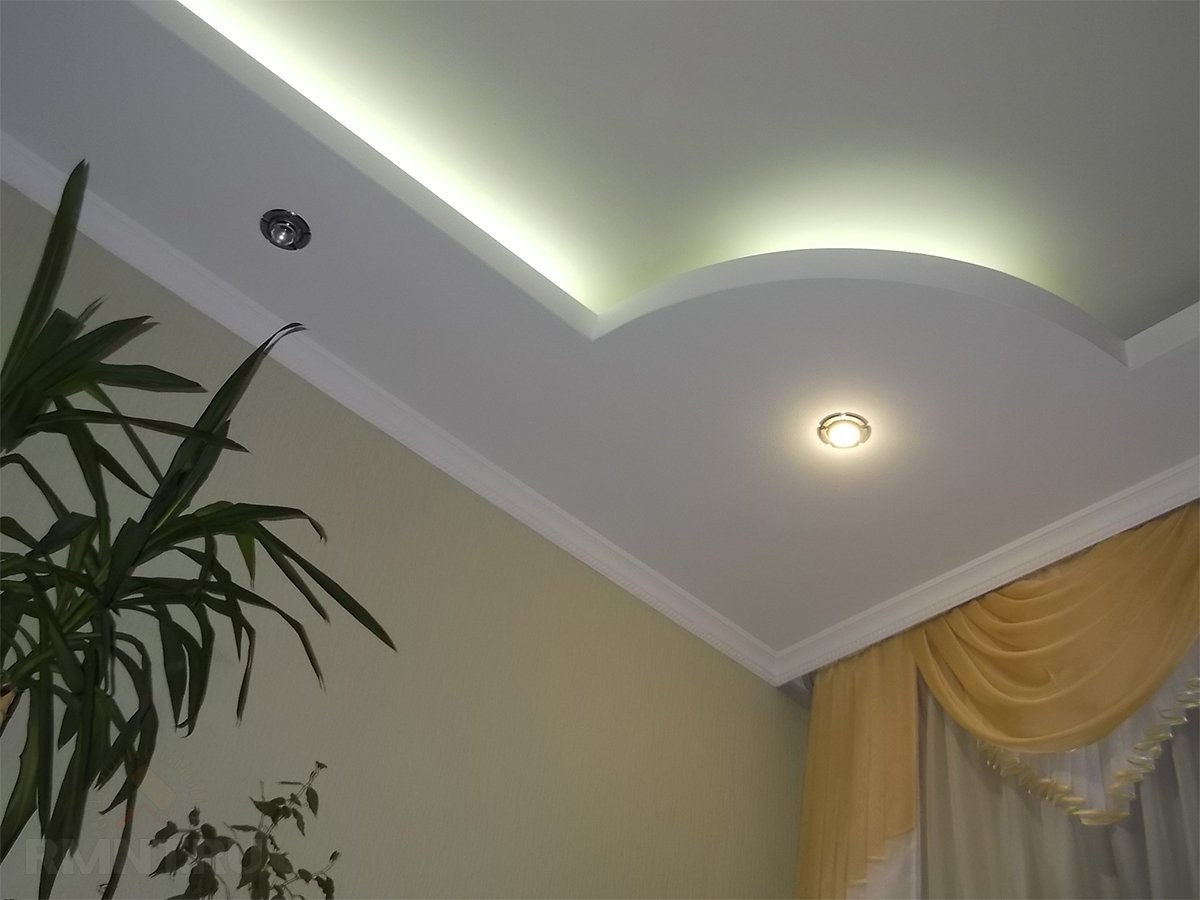
- Design. Plasterboard makes it possible to create multi-level structural forms with curved lines and a perfectly flat surface. Armstrong outwardly resembles a functional grid with typical plates.
- Installation features. Plasterboard is installed for a long time, involving the use of so-called dirty work using putty and paint. The installation speed using Armstrong is much higher, while plates with built-in lamps can be easily removed in the future to have access to wiring or ventilation.
As for the cost of installation, the materials for Armstrong will cost more. However, installation work will be much faster and somewhat cheaper.
What is better for an apartment: Armstrong or drywall?
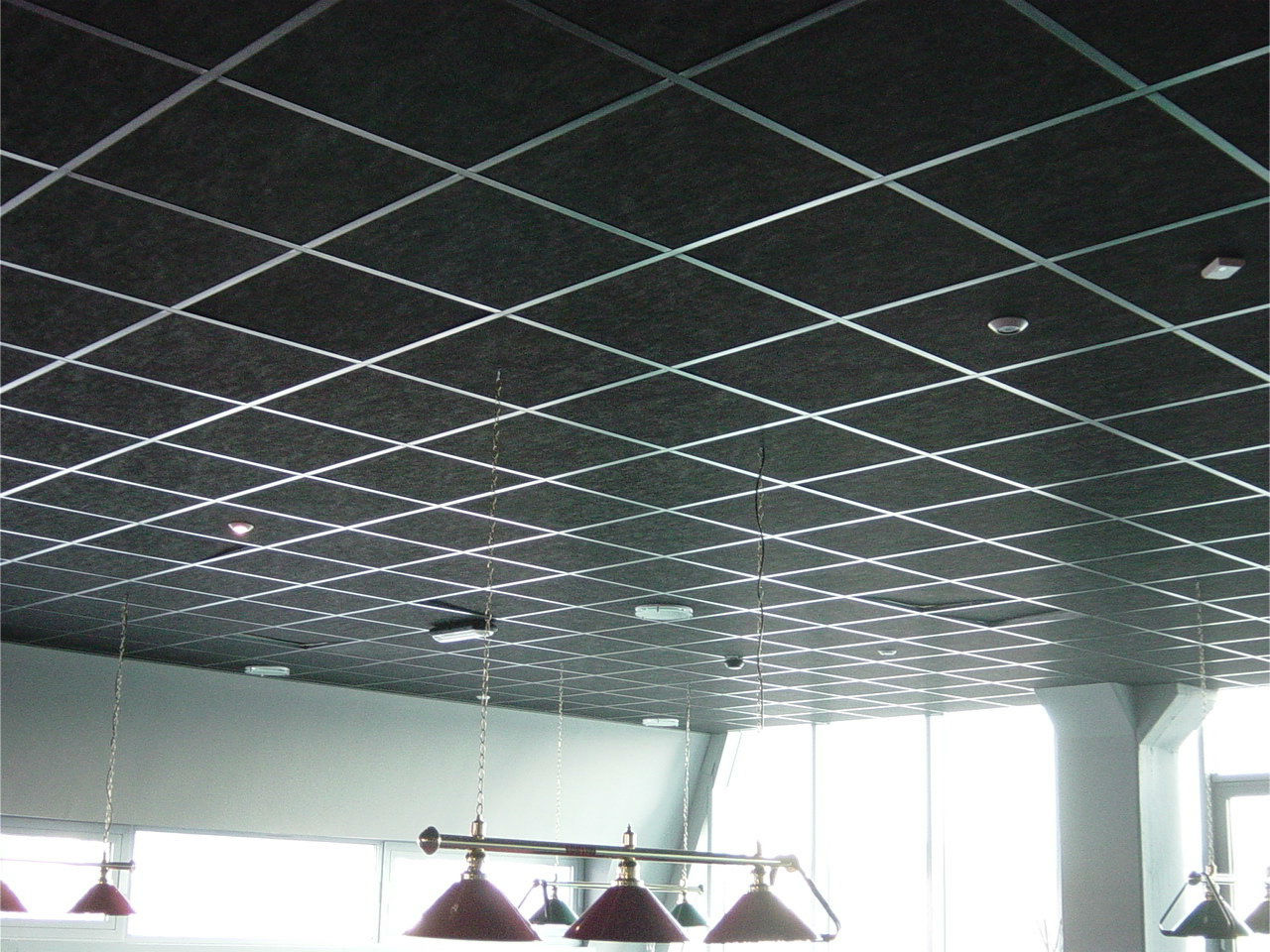
The choice between these materials depends on the type of room. Drywall is considered the best option for a residential area, thanks to its aesthetics and the ability to diversify the interior design. Armstrong is well suited for technical rooms - a corridor, bathroom, kitchen or dressing room, as it is resistant to moisture and, if necessary, provides easy access to communications.
The advantage of drywall for residential premises is a perfectly flat surface without seams, the ability to paint the surface in any color, durability. The disadvantages include complex installation, "theft" of 7-10 cm of ceiling height and damage from water.
The advantages of Armstrong for offices, commercial facilities and technical rooms are quick installation of the ceiling, convenient access to communications, high soundproofing and moisture-resistant properties and the ability to quickly replace a damaged plate during operation. At the same time, the office look of the finished structure is not very suitable for the comfort of a living room.
Armstrong vs drywall: summing up
Considering the above, we can briefly note the following differences between these two materials:
- quick installation of Armstrong boards versus the complex installation of drywall;
- convenient access to communications in the case of repairing an Armstrong ceiling and a tightly closed surface when installing drywall;
- the appearance of a monolithic surface with the ability to make any lighting on a drywall ceiling and the cellular structure of the surface when using Armstrong.
At the same time, both options have good sound insulation, but Armstrong will absorb noise in the room better.