Specifics of concreting in winter
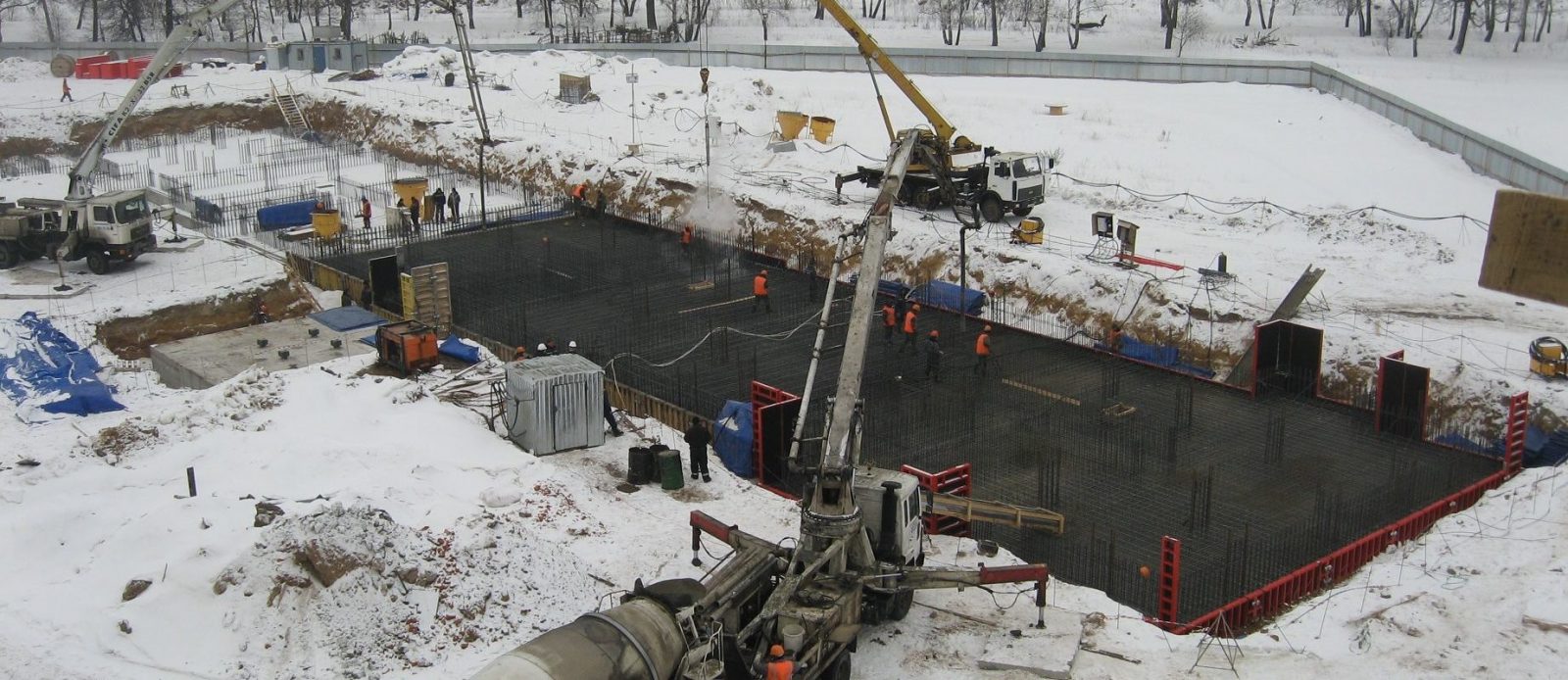
The main problem at this time is subzero temperatures. This can lead to icing of building materials and freezing of equipment. Two factors must be taken into account:
- When concrete is poured during warm weather, with temperatures at 20 degrees Celsius, the concrete achieves 70% of its strength within a week. As temperatures drop, cement hydration slows, requiring more time for the concrete to achieve the required strength.
- Water expands under the influence of frost, increasing internal pressure. Therefore, the setting of the concrete is slow at low temperatures. Furthermore, frozen water promotes the formation of an ice crust, which damages the bonds between the components of the mixture.
Based on the above, it is important to note the need to warm the concrete at subzero temperatures. Several methods are used for this purpose.
How to warm up concrete in winter
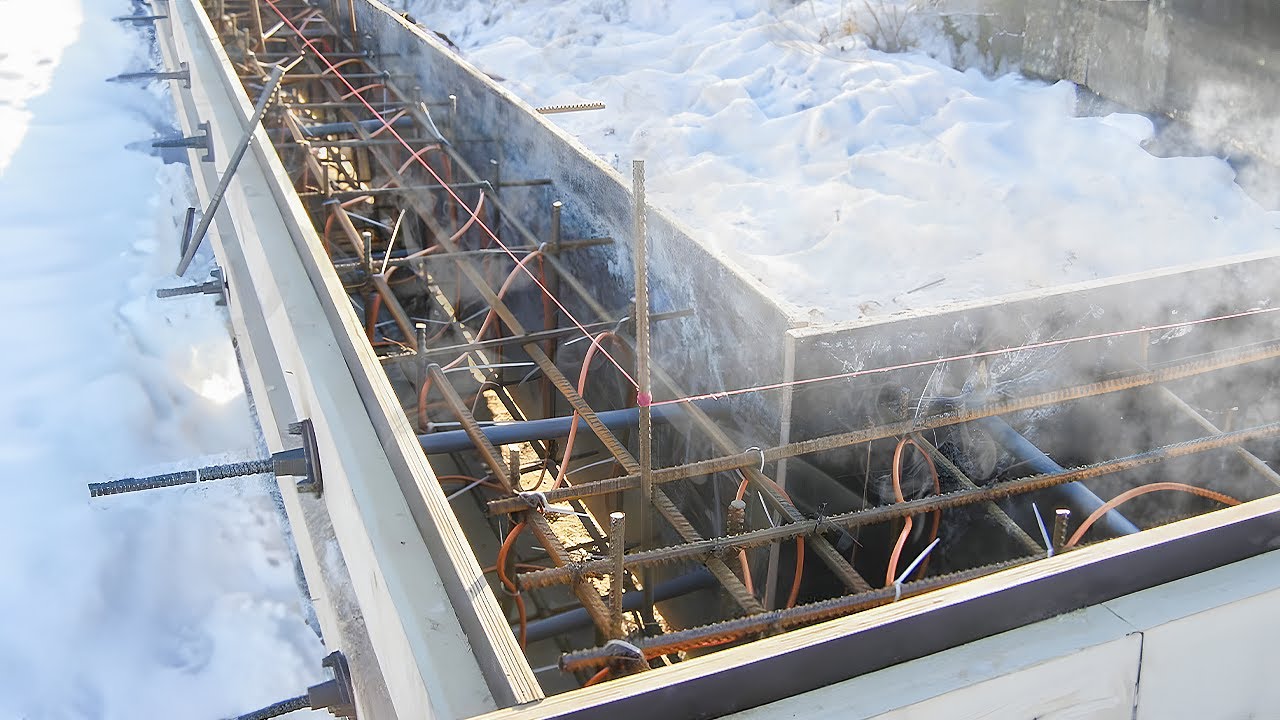
Experts recommend the so-called "thermos method," recommended for use at temperatures as low as -15 degrees Celsius. With this method, the prepared concrete is placed in insulated formwork. It is then heated to 60-70 degrees Celsius, retaining the heat due to the concrete's protective covering. Other methods of concrete heat treatment include:
- Cable heating. Typically used for heating large structures, it provides temperature control, fire resistance, and gradual heating with gentle strength gain. Heating mats are a separate option.
- Induction. In this case, metal formwork and reinforcement elements are heated using an electromagnetic induction coil.
- Infrared radiation. Concrete generates heat when heated by infrared rays. Metal tubular or quartz emitters are most commonly used.
- Electric heating. The mixture is treated using heating electrodes. Heat is generated by passing an electric current through the concrete.
- Heat gun. This heating method is suitable for temperatures down to -15 degrees Celsius. The device is placed under a polyethylene canopy.
Antifreeze additives should also be used during winter concreting. The most popular and effective concrete additives include calcium chloride and calcium nitrate. They reduce the freezing point of the liquid and accelerate the setting of the concrete. Mortar with these accelerators can be placed at temperatures down to -20 degrees Celsius.
Tips for pouring concrete in winter
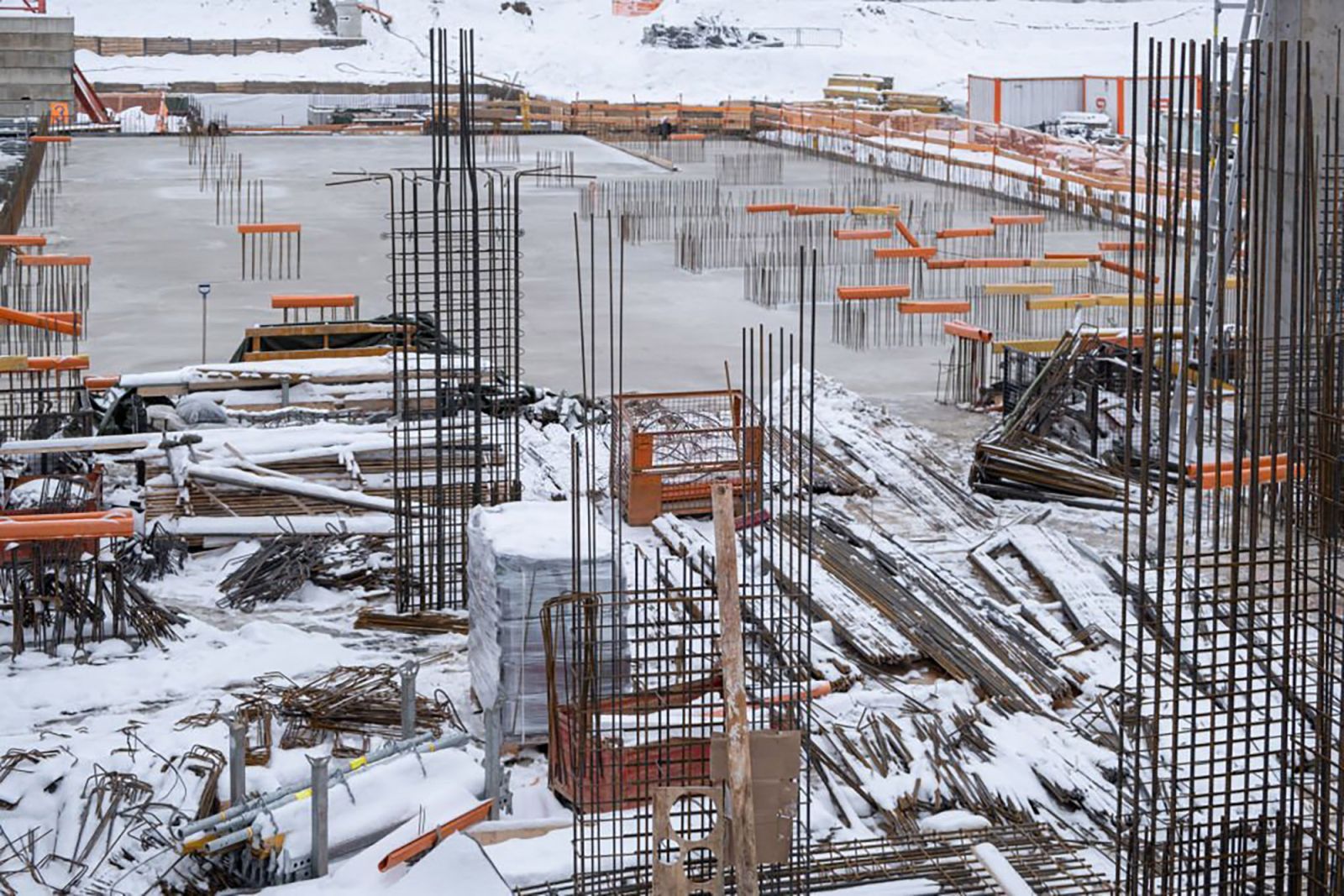
This process is considered the most labor-intensive and costly. The strength of the structure is determined by the composition of the mixture and mandatory adherence to the technological rules. To improve the frost resistance of concrete, the following must be considered:
- During transportation, it is important to correctly calculate the delivery time.
- Open concrete containers must not be used.
- When reinforcing, it is necessary to heat the reinforcement to prevent ice from forming on it.
- It is advisable to mix the cement mortar with hot water, which will increase the temperature of the mixture.
- If possible, adjacent rooms should be heated, creating a kind of greenhouse.
- Consider adding modifiers and plasticizers to increase the freezing point.
Advantages of winter concreting
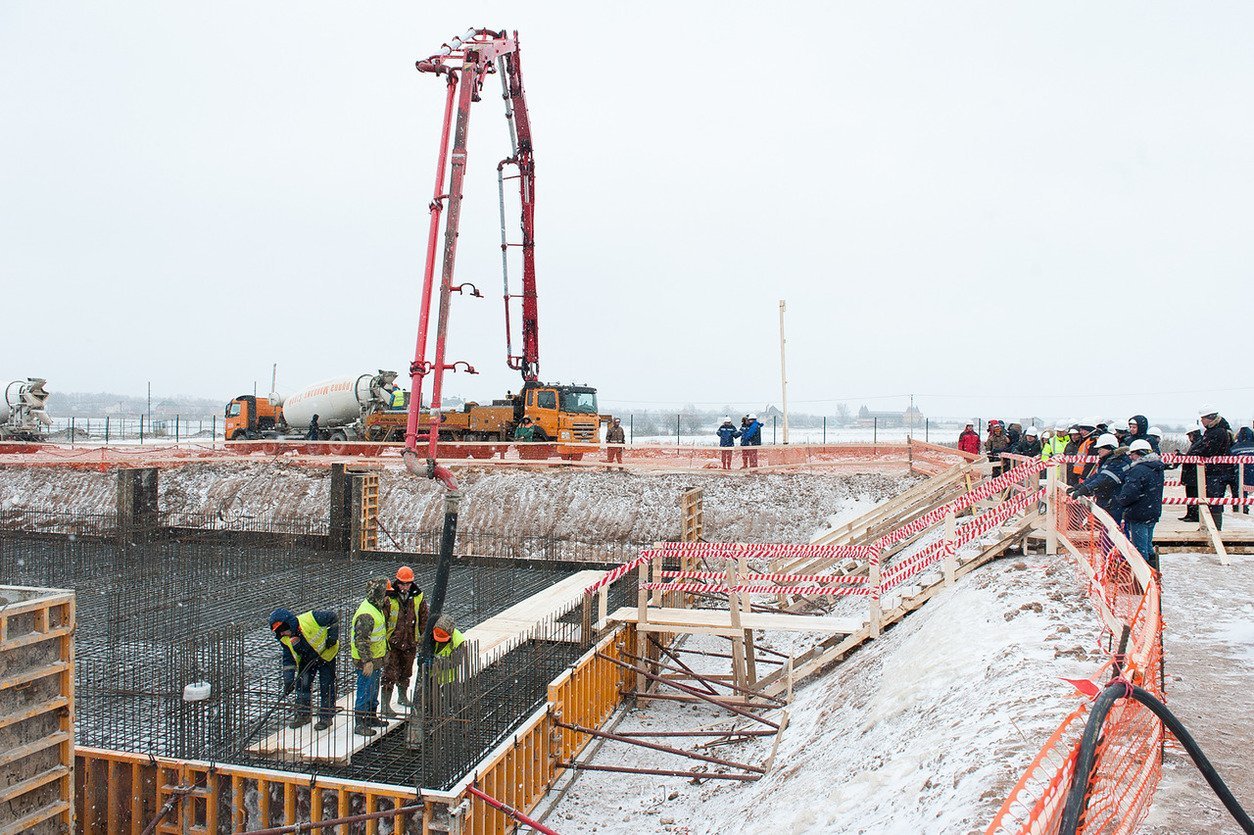
Despite the complexities of the work, this concrete laying method has its advantages:
- reduced construction time;
- the ability to purchase building materials at significant discounts in winter;
- convenient storage of materials, preventing moisture absorption from the ground.
- work can be carried out on soft soils.
- convenient access to the construction site on frozen ground.
If monolithic work needs to be carried out in winter, it's best to seek assistance from the professionals at RСC ALBA. The construction company will select the appropriate method for heating the concrete and ensure its original properties are preserved during installation and after the concrete has cured.