What is needed to restore a house after shelling
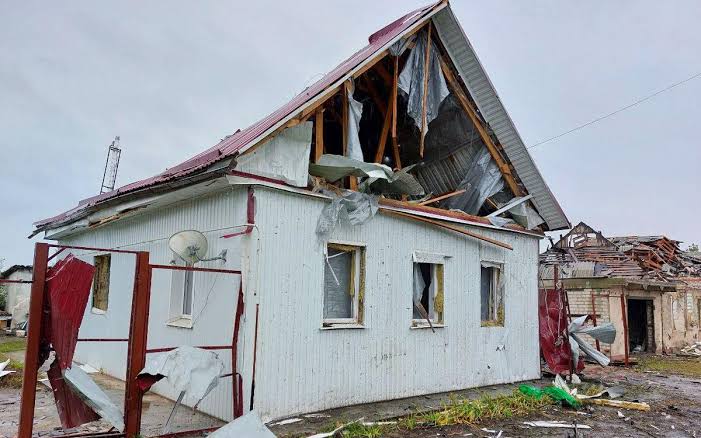
Reconstructing a home after a shelling attack involves a comprehensive set of emergency and repair measures, as well as legal procedures to document damage and secure compensation. The primary goal of repairing damaged buildings is to restore the home to a habitable condition. The key stages of restoring a damaged house are as follows:
- Assessing damage to determine restoration costs. Entering the house immediately after an attack is strictly prohibited. Specialized services must be called to check for gas leaks, downed power lines, and the risk of structural collapse.
- Documenting the damage. This is handled by an assistance center or the police following an inspection of the property. Specialists determine the building's structural integrity, check for damage to load-bearing elements, and assess whether roof restoration or foundation repairs are required. A professional building assessment is necessary to obtain documentation that serves as official proof of the damage. It is advisable to take photos and videos of the aftermath and to keep all receipts for any emergency repairs performed.
- Submitting an application for emergency repair and restoration work. A notification is submitted via the Diia app or the dedicated "e-Vidnovlennia" (e-Restoration) program application.
The state compensates repair costs for damaged housing following a technical inspection and based on a repair cost estimate tailored to each specific property. The reconstruction project serves as the foundational document outlining the scope and specifics of the work.
How a house is repaired after shelling
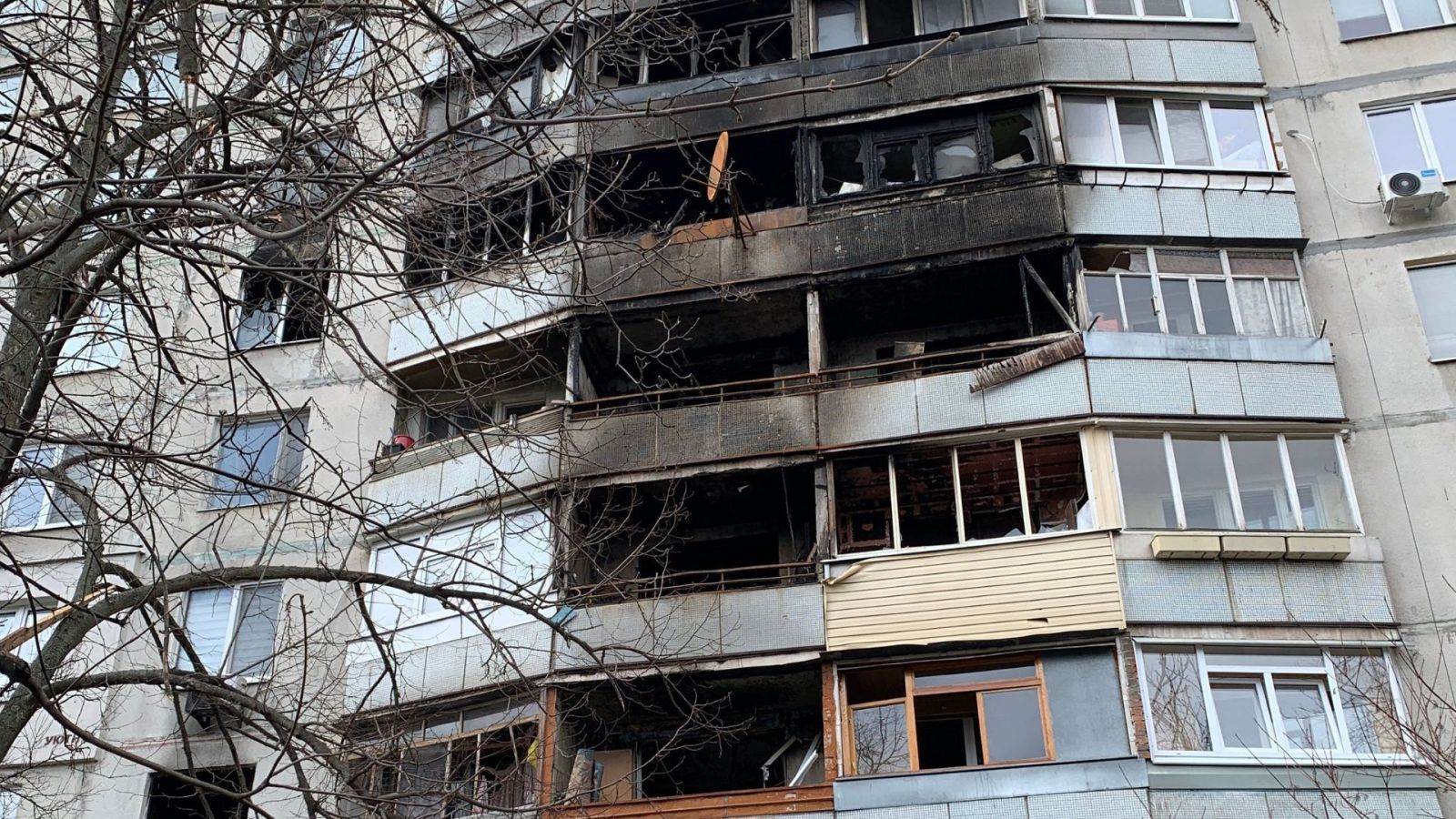
In accordance with the technical assessment, repair work is being carried out both inside the premises and on the damaged facade. The preparatory stage of restoration involves dismantling damaged structures that threaten the building's structural integrity. Restoring utility systems (electricity and water supply) is another initial step.
Next, the restoration plan calls for roof repairs, provided the walls have remained largely intact. Restoration methods for damaged structures depend on the original construction materials. Structural reinforcement may be required if necessary.
When repairing concrete facades, debris and dirt must first be removed, followed by thorough sanding of the damaged areas. A concrete mortar is then prepared to patch holes and gouges in the walls. If floor slabs are significantly damaged, complete replacement should be considered.
Brick walls also require thorough cleaning before construction work begins. The next step in reconstructing the damaged building involves mixing a cement-sand mortar to fill minor chips and cracks. For more extensive damage, sections of brickwork are used to patch the holes.
In cases of deep structural damage—such as repairs following an explosion—a piece of polystyrene foam is placed in the damaged area and secured with construction mortar or mounting adhesive. Once dry, the surface is leveled using a construction float. Next, a 5 mm layer of plaster is applied over the foam, followed by the application of facade mesh. The final stage of wall restoration involves applying a 2–3 mm finishing coat of plaster.
In addition, the house's heating and ventilation systems are repaired during the renovation process. If a painted interior wall is damaged, the area must be sanded and leveled with spackle; once dry, a new coat of interior paint is applied. If the walls are wallpapered, the restoration procedure is identical, except that wallpaper is applied instead of paint. Damaged tiles are best replaced.